10 Places Where Private Military Contractors Operate Most in 2026
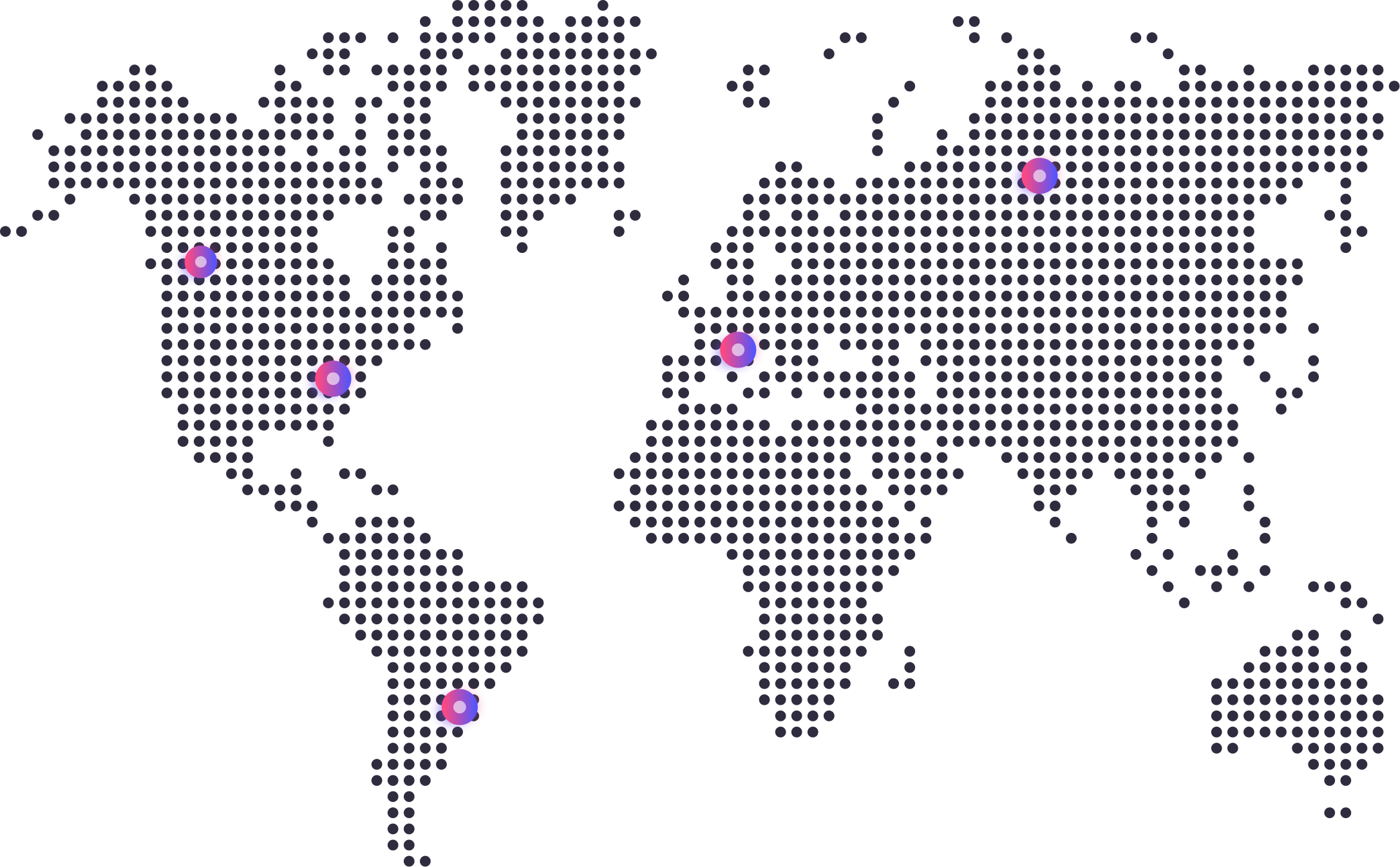
Ask where contractors work and most people name a war zone. The real map is wider. Contractor demand follows risk plus value: anywhere something valuable sits in an unstable place, someone is paying to protect it. Here are the ten environments with the most contractor activity in 2026.
The 10 Environments Where PMCs Operate Most
- —1. The Middle East: Still the largest market. Base support, site security, training missions, and protective details across the Gulf, Iraq, and surrounding states.
- —2. Sub-Saharan Africa: Mining, energy, and infrastructure protection, plus training and anti-poaching work. One of the fastest-growing regions.
- —3. The Red Sea and Gulf of Aden: Maritime security for commercial shipping through some of the most attacked waters in the world.
- —4. Latin America: Executive protection, anti-kidnapping, and supply chain security where cartel activity elevates risk.
- —5. Eastern Europe: Training, logistics support, and reconstruction-adjacent security work.
- —6. The Gulf of Guinea: The other piracy hotspot. Vessel protection and port security off West Africa.
- —7. Southeast Asia: Maritime chokepoints, corporate security for manufacturing, and executive protection in megacities.
- —8. The United States and Europe (domestic): The quiet giant. Corporate campuses, data centers, events, executive protection, and critical infrastructure. More contractors work here than anywhere else.
- —9. Remote and wilderness environments: Pipelines, mines, ranches, and conservation areas where the nearest police response is hours away. KDT's wildlife mitigation work sits in this lane.
- —10. Cyberspace and remote operations: Not a place on a map, but a real deployment environment. Intelligence analysis, threat monitoring, and drone operations increasingly happen from operations centers far from the risk.
What Changes by Region
The job title stays the same. The work doesn't. A protection agent in a US corporate setting carries a radio and a plan. The same role in a hostile region involves armored vehicles, route analysis, and medical contingencies. Pay scales with that difference, which we break down in our guide to the highest-paying contractor jobs.
Legal frameworks change too. Every country regulates armed private security differently, and reputable firms build compliance into each contract rather than treating it as an afterthought.
The Trend: Demand Is Spreading, Not Shrinking
Three forces keep widening the map:
- —Supply chains and infrastructure keep pushing into higher-risk regions.
- —State militaries are stretched, so governments contract out more support functions.
- —Technology lets small teams cover ground that used to take large ones, making protection affordable for more clients.
For companies deciding whether they need protective coverage in any of these environments, our breakdown of security service types is the right starting point, or request a scoped assessment directly.
Frequently Asked Questions
Where do most private military contractors work?
By headcount, most contractors work in domestic corporate and infrastructure security in the United States and Europe. The highest-profile and highest-paying concentrations are in the Middle East, Africa, and maritime corridors like the Red Sea.
Do PMCs only work in war zones?
No. The majority of contractor work happens outside active conflict zones: corporate security, maritime transits, executive protection, remote site security, and training missions in stable countries.
Which regions have the fastest-growing PMC demand?
Sub-Saharan Africa and maritime corridors are growing fastest, driven by mining and energy investment and by persistent piracy. Remote-operations roles like drone operators and intelligence analysts are growing everywhere.
Can PMCs legally operate in foreign countries?
Yes, when they comply with host-country law, home-country law, and international frameworks. Legitimate firms obtain the required licenses and permits for each jurisdiction before deploying.
Interested in learning more about KDT?