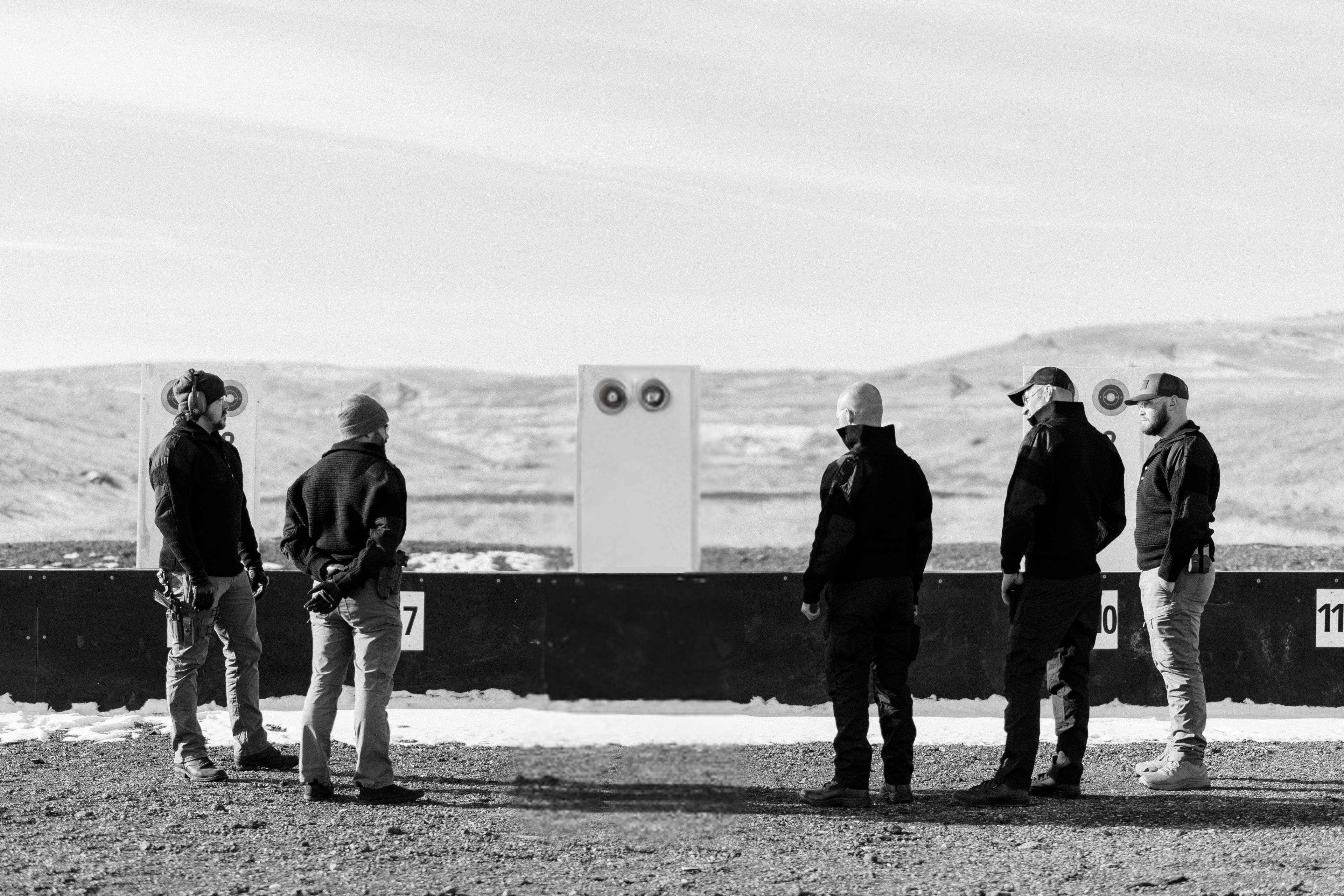
Defense contracting is how private companies sell goods and services to the military and other government agencies. It covers everything from fighter jets to food service, and it includes security and operational support firms like KDT. This guide explains how the system works, what it takes to participate, and how contracts actually get won.
What Defense Contractors Do
The popular image of a defense contractor is a giant company building weapons. That's one slice of it. The industry breaks down into a few broad lanes:
- —Hardware and systems: Aircraft, vehicles, weapons, sensors, and the software that runs them.
- —Services: Logistics, base support, maintenance, IT, and training.
- —Security and operations: Protective services, intelligence support, and specialized operational work.
- —Research and technology: AI, autonomy, space, cyber, and emerging capability development.
Most contractors are not household names. The Department of Defense works with tens of thousands of companies, and the majority are small businesses.
How to Become a Defense Contractor: The 6 Steps
- —1. Register your business. You need a legally formed company with an EIN before anything else.
- —2. Get a UEI. The Unique Entity Identifier replaced the old DUNS number. You get it free at SAM.gov.
- —3. Register in SAM.gov. The System for Award Management is the government's master vendor list. No SAM registration, no federal contracts. Registration is free and must be renewed annually.
- —4. Pick your NAICS codes. These classify what your company does. A security firm might use 561612 (security guards and patrol services) among others. You can list several.
- —5. Get a CAGE code. The Commercial and Government Entity code is assigned during SAM registration and identifies your facility.
- —6. Find and bid on opportunities. SAM.gov lists open solicitations. Agencies also buy through GSA schedules, IDIQ vehicles, and set-aside programs.
KDT has been through this process and operates as a registered contractor with UEI VBG5DD3FTRA3 and CAGE 9RJA1. Registration is real work, but it's paperwork, not magic. Any serious company can complete it.
The Main Contract Types
Contracts differ in who carries the risk:
- —Firm fixed price (FFP): You quote a price and deliver. You keep the upside and eat the overruns. Common for well-defined work.
- —Cost reimbursement: The government pays allowable costs plus a fee. Used when scope is uncertain, like research.
- —Time and materials: Billed by labor hour plus materials. Common for services.
- —IDIQ: Indefinite delivery, indefinite quantity. An umbrella agreement that lets agencies order work over years without re-competing each task.
Set-Asides and Small Business Programs
The government reserves a large share of contracts for small businesses. If you qualify, these programs cut the field of competitors dramatically:
- —Small business set-asides: Restricted to companies under the size standard for their NAICS code.
- —SDVOSB: Service-disabled veteran-owned small business. A strong fit for many security and operations firms founded by veterans.
- —8(a): For socially and economically disadvantaged businesses.
- —HUBZone: For companies in designated underutilized areas.
What It Actually Takes to Win
Registration gets you to the table. Winning takes more:
- —Past performance. Agencies want proof you've done similar work. New entrants build it through subcontracting under a prime, teaming agreements, and smaller state or commercial contracts.
- —A capability statement. A one-page document with your codes, core competencies, differentiators, and past work. It's your resume for contracting officers.
- —Relationships. Attend industry days, respond to sources-sought notices, and talk to small business offices. Agencies genuinely use these to find vendors.
- —Compliance readiness. Depending on the work: facility clearances, CMMC cybersecurity requirements, ITAR registration, and insurance.
Where Security Firms Fit
Security and operational support is a steady lane in defense contracting. Agencies contract for site protection, training support, intelligence analysis, logistics security, and overseas protective work. Technology is the differentiator here. A firm that brings drones, AI-assisted threat assessment, and secure communications offers more capability per contract dollar than one that only brings personnel. That's the position KDT builds from, pairing operators with proprietary technology across our service lines.
For the adjacent industries, see our guides to private military contracting and private security contracting.
Frequently Asked Questions
How do I become a defense contractor?
Form a legal business, get a UEI, register in SAM.gov, select your NAICS codes, and receive a CAGE code. Registration is free. After that, winning work comes down to past performance, a strong capability statement, and persistent bidding on the right opportunities.
How long does SAM.gov registration take?
Plan for two to four weeks from start to active registration, sometimes longer if validations hit snags. Renewal is annual and letting it lapse makes you ineligible for awards, so calendar it.
Do small companies really win defense contracts?
Yes. Federal law sets government-wide small business contracting goals, and agencies reserve many contracts exclusively for small businesses. Programs like SDVOSB and 8(a) narrow the competition further for qualifying firms.
What is the difference between a prime contractor and a subcontractor?
A prime holds the contract directly with the government and is responsible for delivery. Subcontractors work for the prime. Subcontracting is the standard way new companies build past performance before bidding as a prime.
Interested in learning more about KDT?